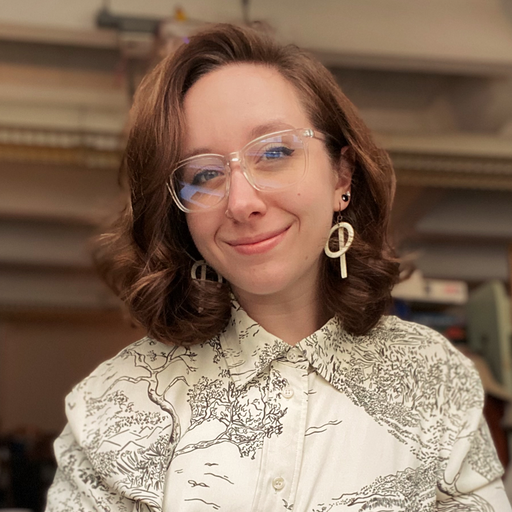
Hi! I’m Marisa.
I am an early-career composition, rhetoric, and technical writing teacher-scholar. My work includes writing programs, design thinking, and wicked problems. I love collaborating with other scholars on writing and research projects, collaborating with students on improving their writing in my classes, and finding creative ways to support the field of writing studies more largely.
I am a newer (as of Fall 2024!) Assistant Professor in the Department of English Language & Literature at Weber State University. I completed my PhD in Rhetoric & Composition at Purdue University, where my dissertation project focused on how writing programs navigated emergency remote teaching in 2020 and how writing programs can continue to address wicked problems. My dissertation study led to publications in Computers & Composition Online and the collection PARS in Charge: More resources and strategies for online writing program leaders (ed.s Borgman & McArdle). I previously did my masters work at Oregon State University, where I worked with the Writing Intensive Curriculum program, and my undergraduate work was at Northern Kentucky University. I’m fortunate to continue collaborating with folks from grad school through our research group, Disseminar.
In Spring 2026, Dr. Yerace is preparing for grant-funded research, working on more writing program projects, gearing up to lead a study abroad course, and teaching courses in Professional and Technical Writing.
With my colleagues in Jobs in English and Transdisciplinary Studies, I’ve recently secured funding to study the English academic job market, and, more specifically, how to best support graduate student preparation for the professoriate.
I’m also continuing to add to Writing Elevated, Weber State’s Composition Open Educational Resource, with content geared towards our EN1 courses.
With my colleague Jace Brown, I’m looking forward to leading a study abroad program in England and Scotland this May—after I wrap up my courses in grant writing and foundations of professional and technical writing theory this spring.
My career in academia came from two important experiences as a college student at NKU: working in the Writing Center for three years, and engaging in a research project on creative placemaking in the Greater Cincinnati area. In my two years at Oregon State, I became interested in the work of writing program administration, thanks to experiences as a Composition Assistant for the Writing Program and as the Graduate Teaching Assistant for the Writing Intensive Curriculum. I also got to collaborate on a piece about our composition program’s history, now in Rhetoric Review.
As an early-career scholar, I try to keep a work-life balance by joining other faculty for local trivia nights, learning to ski in the winter, paddleboarding in the summer, and not responding to emails on weekends. Like a stereotypical English major, I’ve started setting ambitious reading goals each year (for 2026, we’re shooting for 70 non-academic books).
How to pronounce my name: mə-‘ɹɪ-sə jɜ-‘ɹeɪ-si or jɜ-‘rɑ-tʃe (hear)
My pronouns: she/her/hers
Weber State University was built on the traditional and ancestral homelands of the Northwest Band of Shoshone. These lands have also served as a site of gathering and exchange for the Fremont, Goshute, Paiute, Shoshone, Ute and other Native and Indigenous Peoples. We recognize and honor their past and ongoing care for this land, as well as their traditional knowledge rooted in this place. Utah is home to 8 federally-recognized tribes and Weber State University values the sovereign relationships that exist between tribal governments, state governments, and the federal government. We acknowledge the contributions of individuals from various backgrounds in shaping our nation’s foundations. We honor their labor, sacrifices and resilience as we strive for a just future. We commit to collaborate with and serve Indigenous communities throughout Utah through our core strategic themes of access, learning, and community.
 Marisa Yerace