Peer-Reviewed Publications

Abstract: This chapter presents findings from my ongoing study involving conversations with writing program administrators (WPAs) about how they navigated their programs’ emergency switch to remote instruction in spring 2020. I use these reflections and recommendations to give readers a starting point for making their own writing programs more agile in the face of crisis and change—so that instructors and administrators can think on their feet without falling over. In doing so, I draw upon ideas from personal, accessible, responsive, strategic (PARS) principles for online writing instruction (Borgman & McArdle, 2019) and Agile software development (Beck et al., 2001). Agile development’s values align easily with PARS in some ways, so this chapter uses these values to reinforce a main takeaway from conversations with study participants: Identify your program values, then build sustainable, agile structures that will last future challenges.
Yerace, M. (2023). Agile Writing Programs. In J. Borgman & C. McArdle (Eds.), PARS in Charge: Resources and Strategies for Online Writing Program Leaders (pp. 86-101). WAC Clearinghouse. doi:10.37514/PRA-B.2021.1985.

This article reports the first pieces of data from Phase One of my dissertation study.
Yerace, M. (2022). New Priorities in Strange Times: How Writing Programs Navigated Emergency Remote Teaching. Computers and Composition Online.
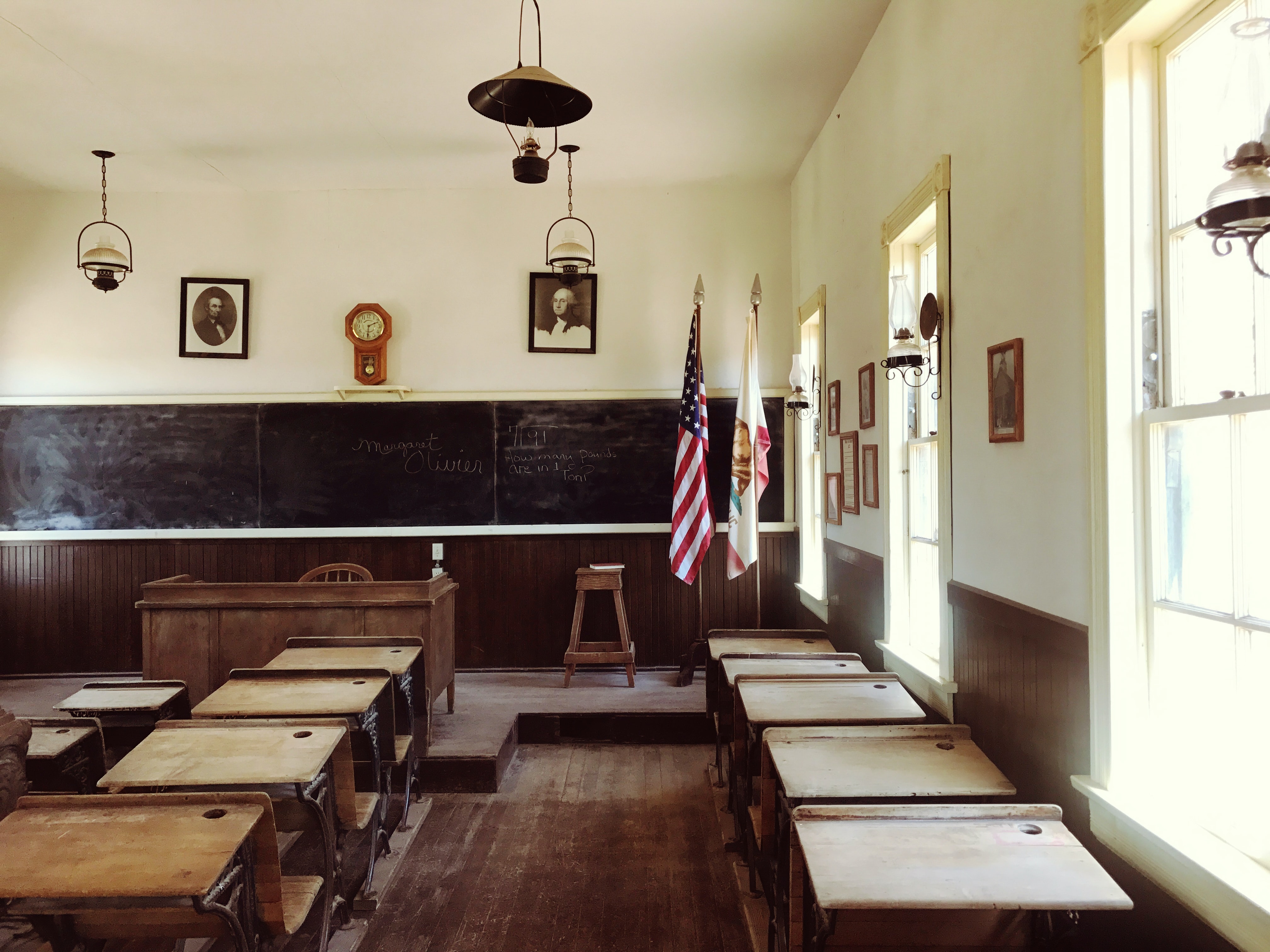
This project was a collaboration between my classmates and our professor in a pedagogy course at Oregon State University.
Abstract: Bernard Malamud’s novel A New Life and its attention to midcentury writing instruction illuminates the emergence of rhetoric and composition. Malamud’s novel is what microhistorians describe as “exceptional typical” evidence, where exceptional status and typical topics combine to showcase power formations in historical context. The novel describes shifts in textbooks and writing curricula, identifies the emergence of process-oriented assessment practices, and witnesses the institutional and disciplinary marginalization of female instructors. As such, Malamud could be described as a proto-composition scholar. Reflecting upon his legacy at their institution, the authors consider the re-naming of a student lounge named after Malamud.
Pflugfelder, E. H., Sylvester, R. E., Yerace, M., and Fuller, M. (2021). Making the Midcentury, Modern. Rhetoric Review, 40(1), 30-45.

Abridged Abstract: This project explores a new form of associational behavior: creative placemaking. Driven by the work of urban and community planners, creative placemaking seeks to activate a public-facing space through the deliberate actions of people in a built environment. With interviews of 24 individuals in the greater Cincinnati area we explore the nature of creative placemaking using the tools of social science. Our inquiry is focused on distilling how these individuals define placemaking and the outcomes and implications of that behavior. Interviewees consistently highlight goal-oriented placemaking and projects deemed “authentic” for the neighborhoods of focus with significant emphasis placed on participation, connections, and pride in one’s community. Our study also finds that placemaking is not an exclusively urban phenomenon, with placemaking events taking place well outside Cincinnati’s urban counties. And while policy can be a roadblock for placemaking, it is not insurmountable. In sum, this project begins to answer important research questions about engagement in the 21st century while elucidating a robust research agenda.
Salzman, R. & Yerace, M. (2018). Towards Understanding Creative Placemaking in a Socio-Political Context. City, Culture, and Society, 13, 57-63.
 Marisa Yerace